How to prepare your home for winter
By MAS Team
As the temperature drops, you need to get your home ready for any wild weather that winter may throw at it.
All that rain, snow, hail and wind, combined with cold temperatures, can be tough on your house's exterior and make it harder to keep the interior warm and dry. Get your house prepared for the coldest months and (hopefully) avoid having to make any claims on your house insurance policy with our checklist of must-dos.
If it's been a while since you last cleaned out your gutters, now's a good time to clear them of all the autumn leaves and dirt that might have accumulated. Clogged gutters can cause all sorts of problems with water backing up under eaves and down internal walls. While you're up there, it's a good chance to also check them for any leaks, cracks, problems with filters and the 'fall' (the amount of slope that's needed to send the water down the drainpipe).
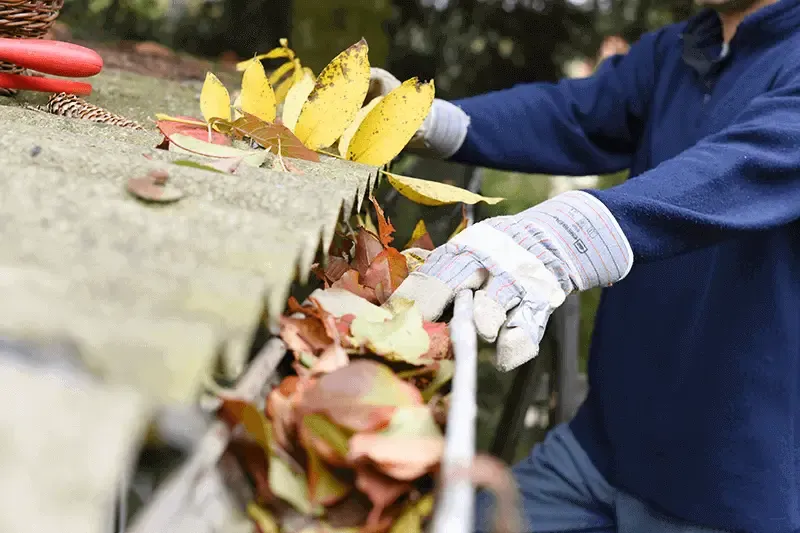
If you have trees close to your house, make sure any overhanging branches are trimmed back from your gutters and roof, and away from any power cables. Not only will this stop your gutters getting clogged again, or your power getting knocked out in a storm, you'll also maximise your winter sun.
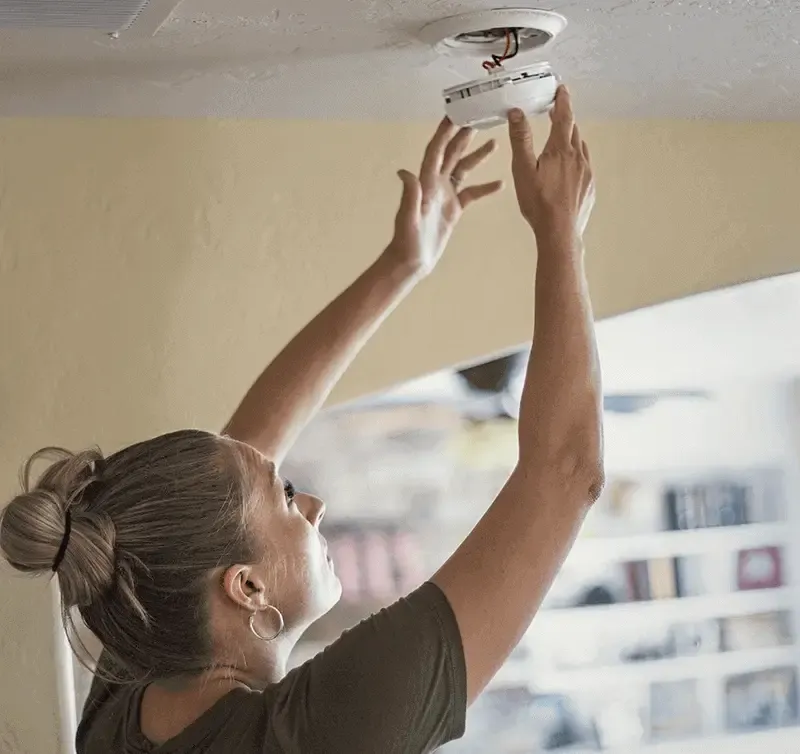
Chances are you're going to be using your heating appliances or log fires a lot more during winter, which raises the risk of house fires. Make sure you change the batteries in your smoke alarms and check they're still working properly. It's also important to make sure you have your smoke alarms positioned in the right spots throughout your house. Fire and Emergency NZ recommends placing alarms within three metres of each bedroom door, or in every room where a person sleeps.
The gaps and draughts that you barely noticed in summer can make your house hard to heat in the winter. Block up any unused chimneys and use draught stoppers around doors and windows. You can buy weather strips or clear sealant from DIY shops to block any more significant gaps around door and window trims. If you can, look into permanently upgrading any doors and windows that are causing problems.
Make sure your heating appliances are working for you. Clean filters in heat pumps and dehumidifiers to make sure they're running at their best. And if you use a log burner, get your chimney cleaned to remove any blockages or buildup that can cause dangerous chimney fires.
You should also consider whether your heating strategy is effective. It's often better to keep your home's temperature at a consistent 18-20 degrees, rather than blasting the heater for a few hours when you get home, which can create conditions for condensation and mould growth.
It's also more cost effective to maintain a constant air temperature, since it uses more energy to get cold air back up to a comfortable temperature.

Now's a good time to check your household emergency kit is fully stocked – or, if you don't have one, it's time to put one together.
You'll need a torch, battery-powered radio, spare batteries, first aid kit and essential medicines, and enough food and water for all members of your household for at least three days. For a full list and more information on planning for an emergency, read the NZ Government guidance.

Being a landlord can be complicated. Best case scenario – you have great tenants who take good care of your property and pay rent on time. But accidents happen, and it’s important to have the right insurance and follow a few guidelines.
As extreme weather rises, is your house insurance keeping up? Learn the difference between Sum Insured and Full Area Replacement cover.

If you’re a student, you might not think you need contents insurance. You’re just flatting, you don’t have that much stuff, and how likely are you really to lose it all in a fire – right?