Tips on how to avoid scams
By MAS Team
With technology and AI making scams more sophisticated, it’s important that you know how to protect yourself and your data. MAS Cyber Security Lead Min Kim shares some simple steps you can take to stop scammers in their tracks.
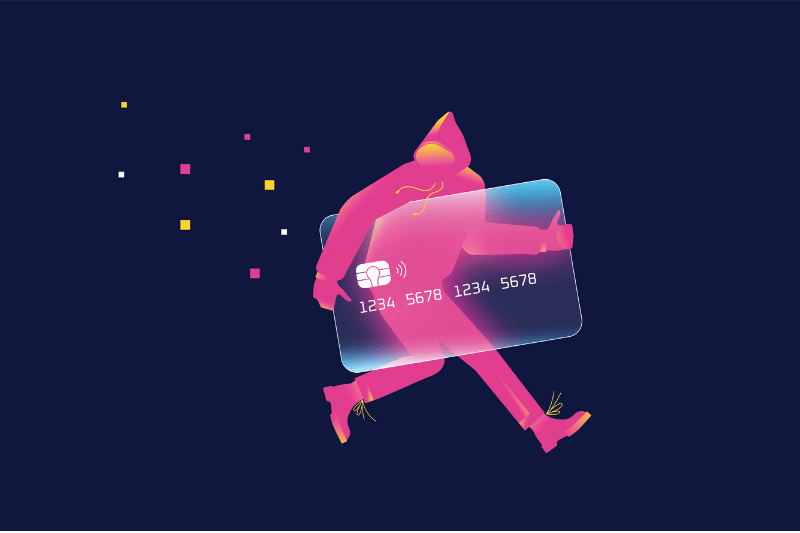
“As New Zealanders, we’re typically very trusting,” says Min Kim, MAS’s Cyber Security Lead. “It’s part of our Kiwi nature, and it’s a great quality to have, but it can make us easy targets too.”
What Min is referring to specifically is our vulnerability in the face of increasingly sophisticated financial scams. It’s a sad truth that in today’s world, fraudulent activity is not only extending in reach but also being aided by new technologies like AI. This makes the risk greater than ever.
Min says that in the past, fraudsters have been focused on populous places like the UK, EU, US, and even Australia, while New Zealand has been off the beaten path. This is no longer so. “Unfortunately, we’re starting to be more on the radar and it’s important that we become more cautious when something doesn’t feel right, rather than taking things at face value.”
A first step to staying secure is to recognise the common techniques that scammers use. “The easiest route they have for getting your information is through you,” says Min. “It’s not by trying to hack your password or hack a company – that’s much harder for them. If they can get your details directly from you, they don’t need to hack anything. And from there they can sign in to your accounts themselves.”
So how do scammers convince people to willingly hand over private data? “Their first move is to immediately make you feel flustered or worried,” says Min. “They aim to contact you at a bad time, like at night, when your attention span is at its weakest or you’re most tired, so you’re easier to crack.
“If someone calls you and asks for personal details, don’t give them out. Obtaining your name, date of birth and an account number could be all they need to then pose as you somewhere else.”
Sense check it by asking yourself, ‘Why would they be contacting me about this?’ Then apply a fail-safe method: Hang up and call the organisation back using a number you already have for them.
Emails and texts asking for information are common too, and the fakery is getting harder to spot. “Historically, they would have tell-tale signs like bad grammar or spelling. Now scammers will run the copy through AI to correct it first.”
Min says with an email, always check the actual address it came from is legitimate rather than just the name that appears on the top, because scammers can type that part in themselves.
On social media, some scammers go as far as recreating a person’s profile then using that to reach out to the person’s parents or family members saying they urgently need money. Worse still, AI now has the ability to copy voices, so if a scammer has a sample of your voice, they can script it to deliver a particular message, where it sounds like you are talking. “That’s a step further than what we’re currently seeing in New Zealand,” says Min, “but unfortunately it may be where we’re headed.”
If you do feel that you’ve fallen prey to a scam, the first thing to do is contact the relevant financial institution and explain what has happened so they can freeze your account or stop any pending transactions. You can also contact the National Cyber Security Centre (NCSC) and report the incident. They track local trends and can give you specific guidance on recovering your digital ID and any other steps to take.
As well as being aware of tactics, we can also put our own preventative measures in place. “It’s an obvious one, but don’t use the same password everywhere,” says Min. “Have unique passwords for everything, and then use a password manager to store them. Apple has their own one built into iPhones and Google has the same for Android. The big problem with reusing passwords is, if the site gets hacked, the hackers can then try that password against all of your accounts.
“If you’re given the option to use two-factor or multi-factor authentication, always opt for it,” says Min. “Especially if it’s to do with money or other sensitive data. It’s the ultimate line of defence.”
This method of verification, where you’re sent an 8 digit code to your phone or email, is now part of the login process for myMAS (our MAS Member portal). “Previously Members would simply sign in using their Member number and password. Now it’s through your email address, and every time we’ll send a code to that email which you need to enter. It can feel like an annoyance at the time, but it really is there to protect you and your money.”
Another area for caution: Increasingly, people are turning to AI for financial information. Min warns against entering specific details into a free AI tool, even though it may feel like you’re talking privately to a friend. “There’s a reason why things are free,” says Min, “You’re usually paying for it in some way.” In this instance, you’re providing data to the AI tool, with no way of knowing how it’s being used.
If you do ask an AI chatbot for tips or advice, make sure you always check its sources and consider how its answers may be skewed. “Some AI tools give answers that are deliberately oriented towards what they think you want to hear,” says Min. “They might also draw on information you’ve told them previously and use that to shape the answer, without seeing the whole picture, including information you haven’t shared.”
As has now been well documented, AI systems can also have hallucinations, where they simply make things up.
“There is a reason why in New Zealand, only licensed financial advice providers, such as MAS, are permitted to give regulated financial advice,” says Min. “They must have the necessary training, ensure advice meets the appropriate standards, and keep your information safe.”
To check if a company or person is registered in New Zealand to provide financial services, check the Financial Service Providers Register.
Disclaimer: This article provides general information only and is not intended to constitute financial advice.
MAS is a licensed financial advice provider. Our financial advice disclosure statement is available by visiting mas.co.nz or by calling 0800 800 627.

In the case of a natural disaster, here are some handy tips to help you and your family stay safe.

In the market for a new car? From car insurance options to fuel types, safety features and beyond, keep these tips in mind to help you make the right choice.

If you’re busy running a small business, keeping on top of the everyday tasks can be time-consuming. But with MAS Business Life Plan, you can have peace of mind knowing you’ve protected your business.