Boosting financial wellbeing for young whānau
By MAS Team
Young Māori parents make careful money decisions every day, often managing real complexity on limited resources and in systems that were not built with their lives in mind. With help from MAS Foundation, a new programme is set to support financial wellbeing for whānau.
It’s no secret that many young people face financial challenges as they come of age in a cost of living crisis and with the constant pressure of consumerism.
Receiving wisdom from a trusted family member when it comes to budgeting, tackling bills and building resilience can be hugely beneficial. This concept is the basis of Kōrero Pūtea with Aunty Āwhi (Money Talk with Aunty Āwhi). It’s a new programme preparing for its first pilot from Ki Tua o Matariki, a kaupapa Māori service supporting young parents, particularly in those critical first 2000 days of their pēpi’s life.
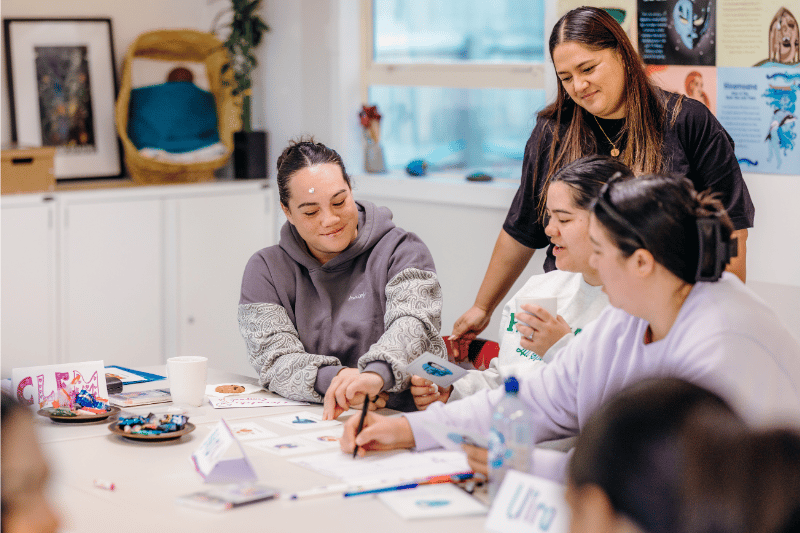 “We provide a suite of wraparound services for our mātua taiohi (young parents), including housing, social care, training and employment,” explains Chief Executive Zoe Witika-Hawke (Ngāti Pāoa, Ngāti Hako, Ngāti Tamaterā). “But we came to realise that there was an important missing element in terms of their holistic wellbeing. We want our new māmā and pāpā to be stress-free, so they can focus on their tāmariki, but the financial space is an area of great stress for our whānau.”
So the idea for a new initiative was born. Recognising both the need and the value, MAS Foundation came on board to fund the development of this targeted approach.
“The cost of living and the constant pull of consumerism place real pressure on our young whānau,” says Zoe. “There is also the constant promotion of flash, shiny new things everywhere, and a wider narrative that judges whānau by what they can buy. We wanted to build something that pushes back on that, and starts instead from what our young parents already know and carry.
“We see young parents who are already making difficult decisions every day about what to pay, what to delay and how to look after their tamariki on very little. That’s a capability that too often goes unrecognised.”
To build the programme, the team drew on a range of sources and expertise. First, a cultural framework was developed with Te Whare Tapa Whā at its centre, recognising financial wellbeing as inseparable from wairua, whānau and hauora.
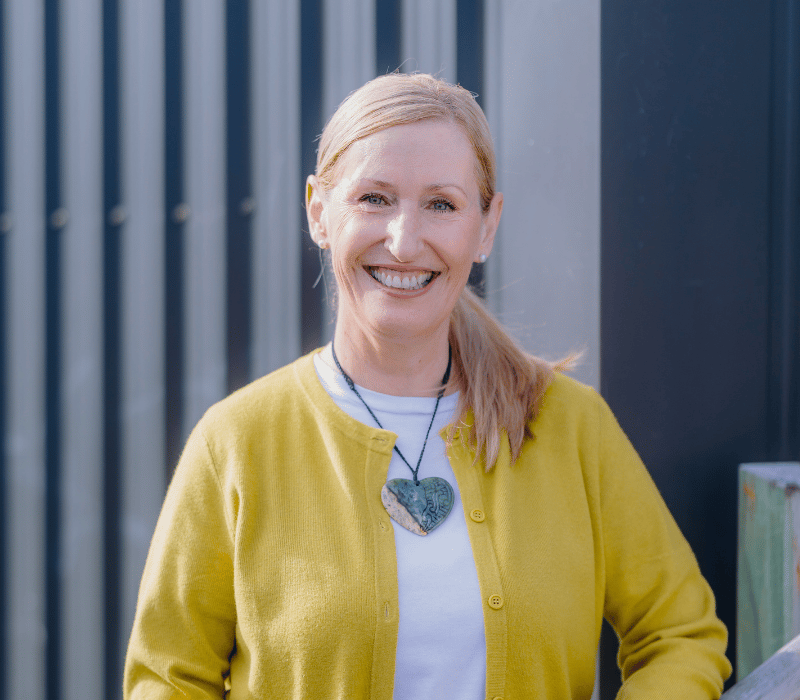 Project Manager Natalie Vincent (Ngāpuhi) says, “We worked with a leading financial capability educator and professional designers, and grounded everything in mātauranga Māori. But it was our young parents who shaped the design. They were the authority on what this programme needed to feel like, sound like and do.”
Rather than bearing an intimidating budgeting-related name, Zoe says the programme is built around a trusted character, Aunty Āwhi. “It’s based on the idea that we’ve all got that aunty who gives you good guidance, but also some stern kōrero about managing your money and your pūtea (funds) for the future. She wants to ensure that you are financially safe and happy.”
For authenticity, the team also spoke to many actual aunties from across the motu. Aunty Āwhi is a character, but the wisdom she carries is real, drawn from the lived experience these aunties shared, and is incorporated into the programme modules. Zoe says, “As you travel through the programme, there are group-based activities, individual activities and real-life stories. It’s really interactive stuff with lots of tips and tricks along the way.”
The course can be followed in te reo Māori or English and while it’s designed to address the missing support for Māori in this area in particular, it works well for non-Māori too. “It’s for everyone,” says Zoe.
Currently in the trademarking process and preparing for its pilot, Kōrero Pūtea with Aunty Āwhi is already drawing early interest from across the sector. Natalie says, “We’ve had interest from financial institutions like banks, as well as Government agencies, businesses and community groups, because they know the existing resources aren’t meeting the needs of this group.”
The intention over time is for the programme to become self-funding, with interested parties and relevant organisations purchasing the training in order to pass on the knowledge. “We can share it and we can train the trainers,” explains Zoe, “and this model allows us to then continue supporting whānau ourselves too.”
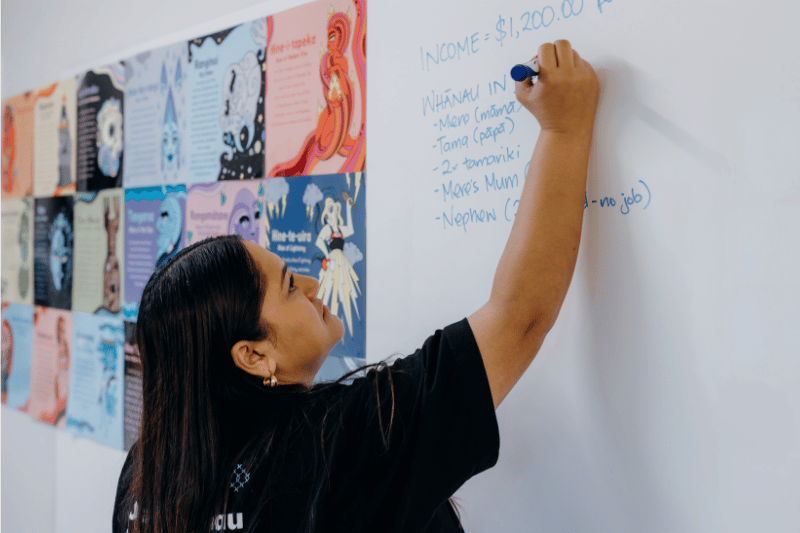 Zoe also points to the longer term benefits this type of initiative can bring. “If our young parents can start their journey well, with some solid resources, advice and support, then there’s a good chance that their tamariki will follow.
“Thanks to the support from MAS Foundation, we’ve been able to create a high-quality, highly attractive programme, ready to put into the hands of our whānau,” says Zoe. “What we hope to see is young parents stepping into financial systems with their own knowledge, their own whakapapa and their own mana intact. We want them to feel confident and certain about what they can do, and to be rangatira of their own financial futures, for themselves and for their tamariki.”
Dr Julie Wharewera-Mika (Head of Foundation) says, “Financial wellbeing is about more than money, it’s about giving whānau the confidence, knowledge and tools to make informed decisions that strengthen their futures. By supporting Ki Tua o Matariki to develop the Aunty Āwhi kaupapa, we’re investing in young parents so they can build stronger foundations for themselves, their tamariki and generations to come.”
Mafi Funaki-Tahifote (Head of Foundation) adds, “This is a unique financial capability programme that prioritises our most vulnerable populations and co-designed with those communities themselves, reflecting a fundamental Foundation value that lasting solutions are found within those very same communities. While the programme is kaupapa Māori in design and delivery, it is inclusive of all parents who wish to engage in this approach.”

A mutual is a commercial organisation that is owned by its customers rather than outside shareholders. At MAS, that’s our Members. So, if you have an insurance policy or investments with MAS, you are a MAS Member and you’re also one of our owners.
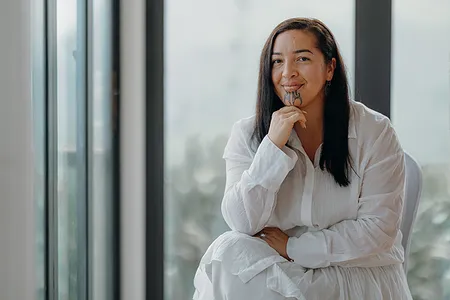
When Aysha Peters was searching for purpose, she never dreamed her wāhine-led initiative, Māia Collective, would end up helping hundreds of single mothers with the help of MAS Foundation.
MAS Here for Good Scholarship winner Carlton Irving tells us his volunteering story and of his desire to champion change for our Māori and Pasifika whānau.