Cannulight is lighting the way for medical professionals
By MAS Team
By MAS Team
For many medical professionals, placing IVs can be a particular pain point of the job. MAS Member Dr James Stone has developed a bright solution to make this common clinical procedure easier and more efficient.
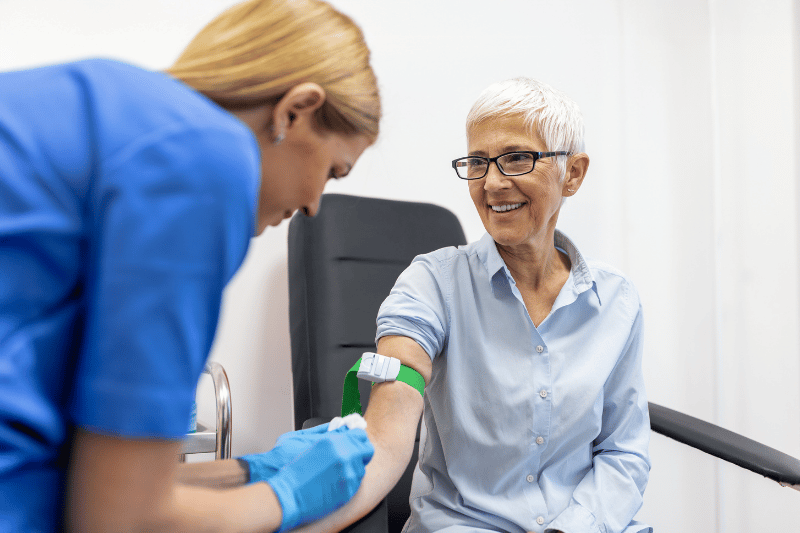 Placing an IV drip into the arm of a patient is a routine procedure that is performed millions of times a day by clinicians all over the world. Given those numbers, and the fact that it’s a precursor to numerous medical procedures – from the everyday to the emergency – you’d think it was a straightforward matter, with a high strike rate.
In reality, it’s a complex manoeuvre that is hard to get right. Someone who knows the frustrations first-hand is Dr James Stone, a dental surgeon turned entrepreneur with a pioneering solution to the problem that is set to go global.
“I still remember the first IV I did,” he says, reflecting on his time as a graduate working in the maxillofacial department of a hospital in Manchester. “The patient was watching me nervously as my hands were shaking. I said to them, ‘It’s going to be fine,’ but it wasn’t.
“It probably took 6 months of doing them every single day to get to the point where, I wouldn’t say I was confident, but more often than not, they were going in.”
After 2 years on the job, James says he would have described himself as ‘average’ at inserting IVs, which statistically still means a 35% failure rate. And there are repercussions for that failure rate too. “It’s not just the pain and the bruising for the patient, it’s other complications like increased likelihood of infections and delayed treatments when it’s not successful,” he says.
H2: Shining a light on IV insertion rates
When he moved to New Zealand in 2012 and began working in a dental practice, James became the go-to guy for placing IVs ahead of wisdom tooth surgery. As he was doing it less frequently, however, he felt his skills were slowly lapsing. Fed up with finding it hard, he had a bright idea, literally: an IV catheter attachment with a pressure sensor that instantly lights up green when the needle successfully enters a vein.
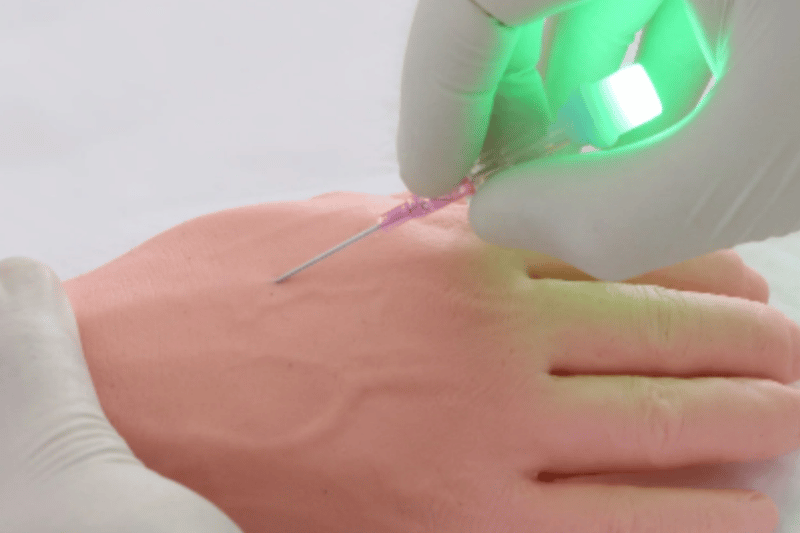 While the initial concept for Cannulight (as it’s now called) was born 8 years ago, it was another 4 years before a working prototype was created. In true Kiwi fashion it was made in a garden shed in Auckland, and James was the first guinea pig. “I stuck it in my arm while my wife was filming me and it worked! I sent that video to a few people and it kind of went crazy from there.”
James was then joined by Mike Munley, formerly of the Medical Technology Association of New Zealand (MTANZ), who came on board as COO, and with interest from a design manufacturer as well, everything started moving in the right direction.
Still, it wasn’t an instant transition into successful entrepreneurship. “There were definitely days when I’d wake up and think, ‘What am I doing? This is a complete waste of time. It’s not going to work. No one’s going to buy it.’ But then every so often we’d have a big win and that kept us going,” says James.
H2: Cannulight goes international
The big wins came in the form of the first in-human test (James in his kitchen); then the Royal New Zealand Navy trialled it as part of a simulated missile attack on a ship; and then they won funding from the Pentagon in the US. “When that happened I was kind of in shock!” James recalls.
With the help of New Zealand Trade and Enterprise (NZTE), the Cannulight team had been given the opportunity to deliver a 15-minute pitch of the product as part of a competitive programme run by the US military. From among thousands of applicants worldwide, they got accepted into the programme and are only the third New Zealand company ever to do so. This meant more money to further test the Cannulight device, and also the chance to develop and test an infrared version that would make it easier to place IVs in low-light conditions with night-vision goggles.
James says the greatest win yet, however, has been getting Cannulight directly into the hands of medics on the front line in Ukraine. “To think that our product, made here in New Zealand, is being shipped to a war zone in eastern Europe, where people are using it and reporting positively on it, is fantastic.”
The next step on Cannulight’s journey will be receiving approval from the US Food and Drug Administration (FDA) and the European Medicines Agency (EMA), which could come any day now. This will open the door for Cannulight to be sold into hospitals too.
While James is not yet resting on his laurels, things are looking good. “There are still some things that could go wrong,” he says, “but at this stage, they’re probably things we can fix.”
H2: What’s next?
Certainly entrepreneurship is not for the faint-hearted, but nor is it ultimately compatible with another full-time job. Over the past few years, as things have taken off, James has been slowly retreating from dentistry so that he can commit more time and energy to Cannulight. While it’s been a leap of faith, he says he’s lucky to have his wife and 2 kids right behind him.
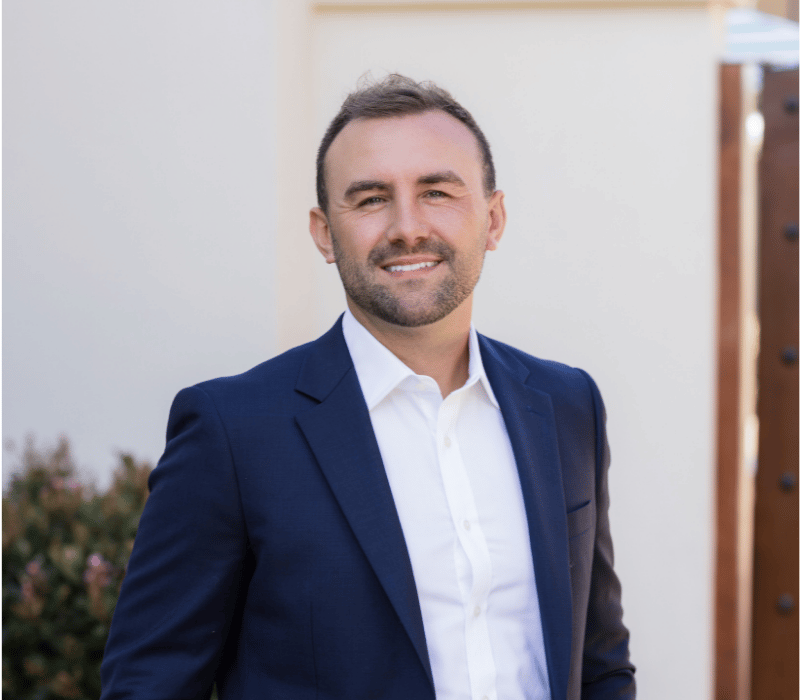 “Lisa’s been amazing. I’ve come up with crazy, silly inventions before and she has kind of rolled her eyes, but with this one she’s been incredibly supportive.”
The schedule is full-on right now, with James regularly travelling to the US for trade shows and conferences. Ultimately, however, he feels there will come a time when he can step back and let Cannulight continue on its own trajectory.
“I feel I’ve been very useful on the journey so far, because up until now it’s really been a research and development project. It’s medical, it’s regulatory, and these are things I understand. The next stage is the commercialisation and launch of a new product, and on that I have very little clue. I think as a start-up founder you have to know where your limits are.”
Possible next steps are that Cannulight could be acquired by a larger medical company, or it will continue independently with James handing over to local market experts in the US and Europe to steer the course. While it’s too soon to relax just yet, there’s no doubt it’s been a massive achievement that will make life better for patients and the people who care for them.
As James says, humbly, “I do sometimes think in 10 years time I’ll look back and be pretty proud of what we’ve done.”

In early 2020, MAS Foundation partnered with Health Coalition Aotearoa and collaborated with the Helen Clark Foundation to support researching the extent of alcohol harm in Aotearoa.
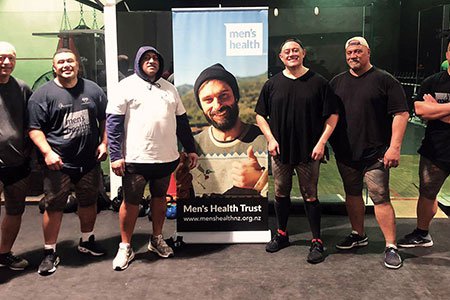
In early 2020, MAS Foundation gave Men's Health Trust a grant to help them launch their Goodfellas programme. Read more on how partnering with MAS Foundation helped them make an impact.

A mutual is a commercial organisation that is owned by its customers rather than outside shareholders. At MAS, that’s our Members. So, if you have an insurance policy or investments with MAS, you are a MAS Member and you’re also one of our owners.