Dementia: It’s about much more than memory
By MAS Team
As dementia becomes one of New Zealand’s most pressing health challenges, MAS Member Dr Gary Cheung says that shifting our focus from fear to dignity and proactive care has never been more vital. He talks to Sophie Neville about breaking the stigma and advocating for our oldest citizens.
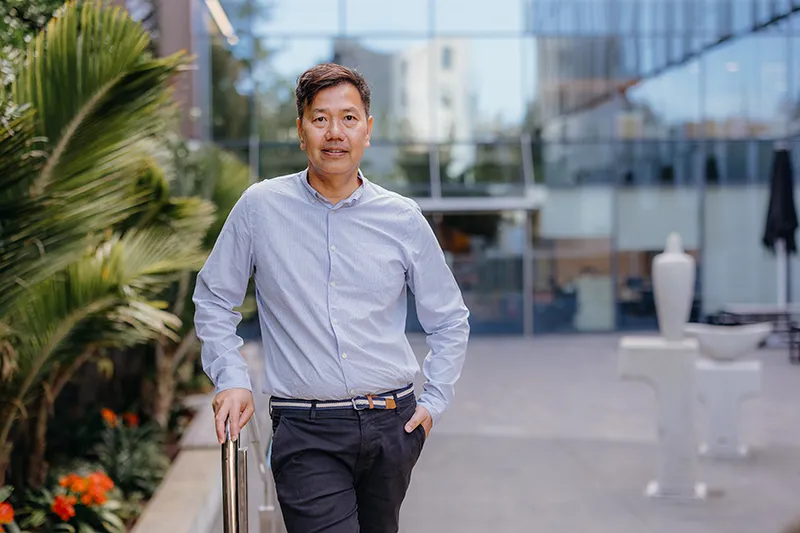
“Older people don’t always get heard,” says Dr Gary Cheung. As one of New Zealand’s leading old age psychiatrists, he’s spent the last 30 years caring for older people – many of whom are living with dementia – and advocating for a group he believes is too often overlooked.
He believes that as our population ages, it’s time to change the conversation around dementia. The aim is to replace fear with understanding, encourage earlier diagnosis and better prevention, and ensure people living with dementia remain connected, supported and valued within their communities.
That challenge is becoming increasingly urgent. The number of New Zealanders living with dementia is expected to almost double over the next 20 years, making it one of the country's fastest-growing health issues. Late last year, a University of Auckland study revealed just how quickly the numbers are increasing: 3 New Zealanders develop dementia every hour, while 1 in 4 Kiwis will die with the condition.
According to the latest estimates from Alzheimers New Zealand, around 83,000 New Zealanders are currently living with dementia, and that number is expected to reach almost 170,000 by 2050 as our population ages. But even those figures may underestimate the scale of the problem; many people living with the disease are yet to receive a diagnosis.
“Dementia doesn’t happen in isolation,” says Gary, a long-time MAS Member and associate professor at the University of Auckland. “People can have diabetes, heart disease, orthopaedic problems – all these things can exist alongside dementia. But ageism is everywhere; older people don’t get talked about a lot. But it’s important they have a voice, which is why I advocate for them.”
It’s an umbrella term for a group of symptoms caused by diseases that damage the brain. It can affect memory, thinking, language, judgement and the ability to carry out everyday tasks, and it becomes more common with age.
Alzheimer’s disease is the most common cause of dementia, but the terms aren’t interchangeable: dementia describes a group of symptoms, while Alzheimer’s is a specific brain disease that can cause them.
For many of us, dementia is one of the health conditions we hope we’ll never face. Yet despite the growing number of New Zealanders living with the condition, many people delay asking for support, and those diagnosed can become more and more isolated. “Dementia still carries a lot of stigma, so people can be reluctant to seek help,” says Gary.
Although dementia is a neurological condition, he believes it carries much of the same shame and misunderstanding that has long surrounded mental health. Ageism is part of the problem, too.
Gary says that while there is currently no cure for dementia, he is optimistic that many people can reduce their risk through better brain health across their lifetime. A lot of the known risk factors for dementia are also cardiovascular risk factors, including high blood pressure, diabetes and physical inactivity. Looking after your heart, he says, is also looking after your brain.
Importantly, brain health isn’t something to think about only in later life, says Gary. “It’s a life-course approach,” he explains. “Many of the risk factors occur decades before dementia develops. Things like smoking, alcohol, obesity – they can all add to the risk.”
That means education, healthy lifestyles and public health initiatives all have an important role to play. While we can make positive changes on an individual level, Gary believes prevention also requires a population-wide approach that supports healthy ageing for everyone.
Just as important is recognising the early signs. Many people dismiss forgetfulness as simply part of getting older, but dementia is about “much more than memory”. Families may first notice subtle changes in behaviour, language or confidence. People who were once socially active may begin withdrawing from friends or community groups, while others may struggle with everyday tasks that once came naturally.
“If there’s a change, that’s when it’s worth talking to your GP,” Gary urges. “If you don’t feel you’ve been listened to the first time, go to someone else. Getting an early diagnosis is so important because it gives you time to plan for the future.”
One of the most significant developments in dementia treatment is the emergence of anti-amyloid medications, which target the amyloid protein in the brain. Already available in Australia and other countries, the drugs could slow cognitive decline in some people with early Alzheimer’s disease – although the benefits are modest and they come with risks, including brain swelling and small brain bleeds. They also require regular MRI monitoring and are expensive, raising difficult questions about access and equity.
“We’d like the evidence to be stronger,” says Gary. He believes the treatments should ultimately be available here to those who may benefit from them. But he warns that their high cost, along with the need for ongoing monitoring, raises difficult questions about equity if they are accessible only to people who can afford to pay privately. “This is certainly not just a dementia issue though. We’re seeing equity issues in every aspect of healthcare now.”
Another promising development is emerging research linking the shingles vaccine with a lower risk of dementia. While the early evidence is encouraging, more investigation is needed. Gary is planning to work with other University of Auckland researchers to study the link using New Zealand data.
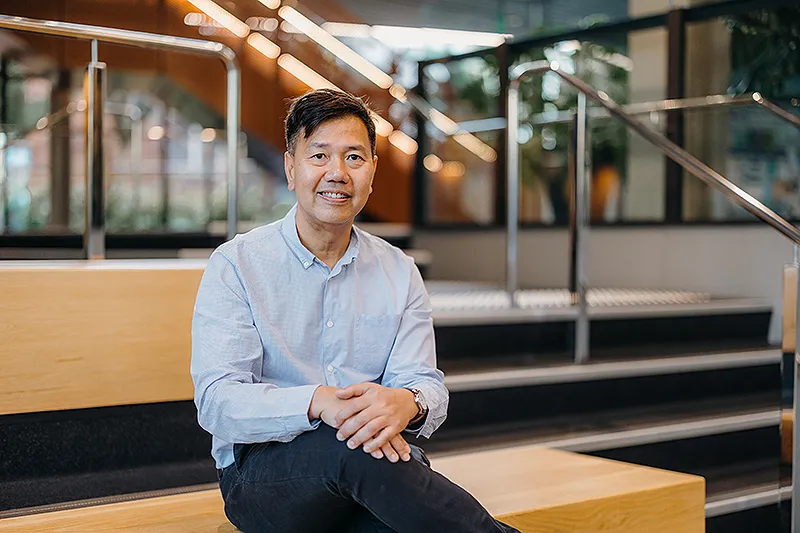
With much attention rightly focused on prevention and the search for better treatment options, Gary says it’s equally important not to lose sight of the people living with the condition already. “Prevention is critical, but we have people living with dementia right now. We have to look after them.”
For Gary, caring for someone with dementia is about much more than treating their symptoms. It’s about preserving their dignity as long as possible. A diagnosis can bring a series of painful losses – the ability to drive, reduced independence and changes to the way everyday life is managed. While safety is important, Gary believes it’s equally important not to take away someone’s autonomy unnecessarily.
He’s equally passionate about helping people stay connected. When someone is struggling to remember, it can be tempting to speak for them or leave them out of the conversation altogether. Instead, Gary encourages families to slow down, speak one on one where possible and resist the urge to test their memory. “Go at their pace,” he says. “Focus on now. Listen to their opinions, because they still have them and they’re still valid.”
That philosophy is at the heart of Cognitive Stimulation Therapy (CST), an evidence-based treatment Gary has spent more than a decade advocating for in New Zealand. The group-based programme brings people living with dementia together with trained facilitators for conversation, social interaction, reminiscence and activities designed to stimulate thinking.
CST is widely used overseas, and Gary would like to see it become much more routinely available here. He and his colleagues have trained people to deliver the programme, but he’s still pushing for wider access.
“We’ll never give up,” he says. “Even after more than 10 years we’re still trying – I won’t stop. We have to keep advocating because often these people who are affected cannot advocate for themselves.”
After decades working with older people and those living with dementia, Gary says he is still impressed every day by the patients he meets in his practice. Despite facing frightening diagnoses and an uncertain future, he sees remarkable resilience in those he cares for. “I love our older people because they have a lifetime of experience, and often they’re quite a resilient group of people and nice to work with.”
But there’s one thing he’s learnt that stands above everything else: “The importance of family. Families often carry the burden of taking care of the people they love, and I see that love and care every day. What they do is often quite remarkable. It makes me appreciate and value my own family, too.”
As New Zealand prepares for a future in which dementia will become increasingly common, Gary hopes that greater understanding will lead to more compassionate conversations, earlier support and communities where people living with dementia continue to feel heard, valued and included.
A dementia diagnosis can leave people and their whānau unsure where to turn. But having the right information and support can make all the difference, says Cathy Cooney, Chief Executive of Dementia New Zealand.
“Getting a diagnosis can be a real shock,” says Cathy, who leads the charitable trust providing national leadership, coordination and advocacy across a network of local organisations delivering dementia services. “Your heart rate goes up, and you can’t really hear much after that. It’s a good idea to have a whānau member or trusted friend with you when you visit your GP or nurse practitioner.”
Helping people understand what happens next is so important. Clear information, education and advice from a dementia adviser can help families move beyond the initial shock, understand what dementia may mean for them and feel more able to plan for the future.
“Our goal is to help people with dementia to stay well, engaged and supported for as long as possible in the community,” says Cathy. “And a big part of that is supporting the care partners and whānau.”
Cathy encourages people to speak to their primary care provider early so a referral to a dementia community provider can be made.
An adviser from a local Dementia New Zealand network affiliate or Alzheimers New Zealand provider can help people living with dementia, their care partners and whānau understand what’s happening and to find support suited to their needs. This support can include free community education, activities, cognitive stimulation programmes and specialised services, depending on what’s available locally.
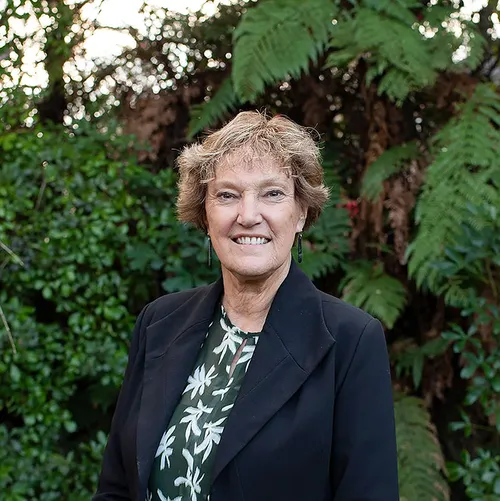
But perhaps just as important as getting professional support is staying connected to ordinary life. Across New Zealand, there are groups designed to keep people with dementia active and socially engaged, from craft circles, walking and golf groups to men’s sheds. “Keeping connected is a really important part of keeping your brain healthy,” says Cathy.
And that connection shouldn’t stop at the door of a dementia group. If someone you know develops dementia, Cathy’s advice is simple: Don’t disappear. “Please keep visiting. Come and sit and have a cup of tea. Just be present,” she says. “Because they’re still the human you knew.”
Those friendships matter for families and carers, too. Staying connected can ease some of the stress of caring, while helping the person with dementia continue to feel part of the community, rather than gradually becoming isolated from it.
Cathy encourages people to learn more about dementia so they feel confident supporting someone they know. She believes awareness and understanding are among the most powerful tools we have for tackling stigma. The Dementia New Zealand website offers webinars, education tools and information about hundreds of topics related to the condition.
The more we know about dementia, she says, the more naturally we can include people living with it – and the more likely they are to remain active, valued members of their communities for as long as possible.
“There should be no shame in it,” she says. “The better we understand dementia, the better we can respond to it.”

As a GP for 50 years, Ian Symes treated hundreds of people with dementia. But never before had he encountered anyone who handled a diagnosis quite like his wife, Angela.
“She was extraordinary, really. She just glided along,” says Ian. He’s with his youngest daughter Mary, talking to onMAS about caring for their much-loved wife and mother, who died in February 2025 at the age of 81, after 6 years living with Alzheimer’s.
While many people experience fear, anger or despair after a diagnosis, Angela accepted hers with remarkable stoicism. She had experienced dementia with her own mother and wasn’t frightened of what lay ahead. “She was a good Catholic girl,” says Ian. “I think that helped her have an acceptance of life and death, and all that goes along with it.”
The family’s journey began in 2019, when they noticed mild cognitive changes in Angela, a former nurse, counsellor and psychotherapist. Mary noticed her mum repeating the same stories or asking the same question over and over, while Ian recalls she lost interest in cooking virtually overnight.
The changes were subtle at first, but when friends who hadn’t seen Angela for a while began commenting on her decline, the family sought a diagnosis. An MRI confirmed Alzheimer’s disease.
“No one was surprised,” says Ian. “We all knew that’s what it was.”
Ian, who owned a GP practice in Pahiatua for 24 years before moving to Auckland, believes his medical background helped enormously when it came to caring for his wife. He understood the disease was unpredictable and knew they needed to plan for the future. “It was about being proactive, rather than reactive,” he says.
Ian was determined to care for Angela for as long as he possibly could while continuing to include her in everyday life. Most days they would walk to their favourite cafe or visit friends and family.
“I was never going to exclude her,” he says. “Angie was always positive and smiley. She had such a good nature and a lovely personality, so to me she was always my beautiful and loving wife. Even towards the end we had many special moments.”
It also helped to be “unembarrassable”, he laughs. Angela loved talking to cruise-ship tourists walking up the main street.
Humour was vital to how they all coped, says Mary. Angela became more childlike in some ways, and they loved taking selfies with Snapchat filters together. “She never got angry about things,” says Mary. “But she would get annoyed. She’d say, ‘Oh, my stupid hippocampus!’”
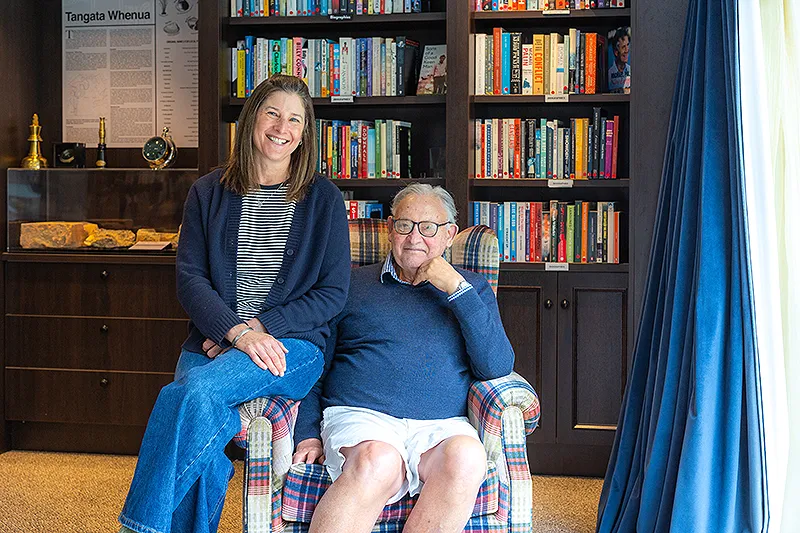
Ian and Angela remained in their seaside Devonport home for the first few years. Ian never complained, but his family could see the strain of caring for her. It wasn’t safe to leave her alone, so Ian’s world became smaller.
“I was very worried Dad was going to get sick, or that looking after Mum would break him,” says Mary, who lived nearby and helped most days. “I found that pretty stressful.”
In 2024, the couple moved into an apartment at a local retirement village. Angela was delighted to have a view over the town in which she grew up. “She could see the church where she was christened and married. That was pretty special.”
As her disease progressed, caring for Angela became increasingly demanding. Eventually they were able to access some home-help services. One of the biggest challenges was managing her bodily functions, which were affected by the neurological changes. “It’s something that people don’t talk about much, but it was the hardest part of it all,” says Ian.
In 2025, the family made the decision to move Angela permanently into the dementia unit at the retirement village. While they knew it was the right step, Mary says it was heartbreaking and one she’d dreaded. But it helped that Angela seemed content. “She told me, ‘It’s lovely here, I really like it.’”
Mary says watching her beloved mum deteriorate was one of the most emotionally challenging experiences of her life. “It’s a very confusing form of grief, because she was right in front of us, but not the person we knew. She was still incredibly loving and caring, though. She’d say, ‘Oh, you’re so beautiful,’ and when she saw me coming, she’d say, ‘That’s my daughter.’”
In her prime, Angela was a vivacious, fun and loving woman, and an amazing mother. She and Ian had 3 children – Penny, Derek and Mary – and in 1990 she was reunited with twins Toni and Robert, whom she’d given up for adoption as a young woman.
“That was hugely significant for her,” says Mary. “Family was everything to her. She just loved being with us all and we miss her so much.”
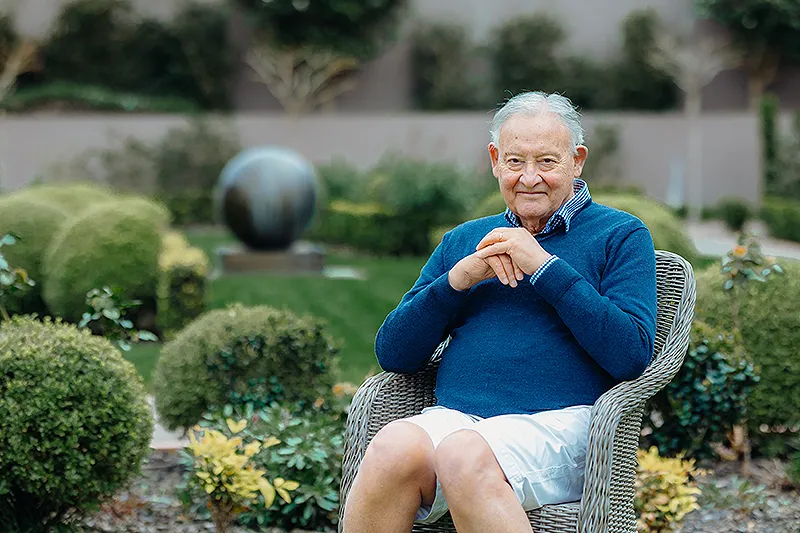
Dementia Canterbury and Bunnings Warehouse have teamed up to create an inclusive community for people with dementia.
“This group is fun, fun, fun!” says Barry, as he gets to work on his latest DIY project.
It’s a Friday morning at Bunnings in Shirley, Christchurch, and Barry is at the workbench alongside others living with dementia. They’re making wooden headphone holders, with plenty of conversation and laughter along the way.
Every fortnight, the group – whose current members are aged between 61 and 80 – gather to tackle a hands-on project, share a cuppa and enjoy each other’s company. From bird feeders and strawberry planters to wooden toys and keepsake boxes, there’s always something new to make.
For Brian, working with tools makes him think of his dad, who worked in the mills. “It always brings back memories for me,” he says. “And I enjoy seeing the same people each time.”
For Evelyn and Koral, the group is a chance to learn skills and create something useful. As Koral says, “There’s a great camaraderie here.”
Established in October 2017 as a partnership between Dementia Canterbury and Bunnings, the group has been hugely successful and popular with both men and women.
Dementia Canterbury activity coordinator Diane Toothill says the idea is to help people reconnect with skills and interests they’ve enjoyed throughout their lives, whether through work or a favourite hobby. For others, it’s an opportunity to try something new.
Having a regular place to go, something meaningful to do and someone to share it with can help people living with dementia maintain confidence, enjoyment and a sense of connection. It also provides some respite for care partners and whānau.
Diane says Bunnings has played an important part in the group’s success, generously providing the workspace, tools and materials.
“Groups and activities like this are about helping people continue to live well, stay connected and enjoy life,” says Diane. “A diagnosis doesn’t mean those opportunities should disappear.”
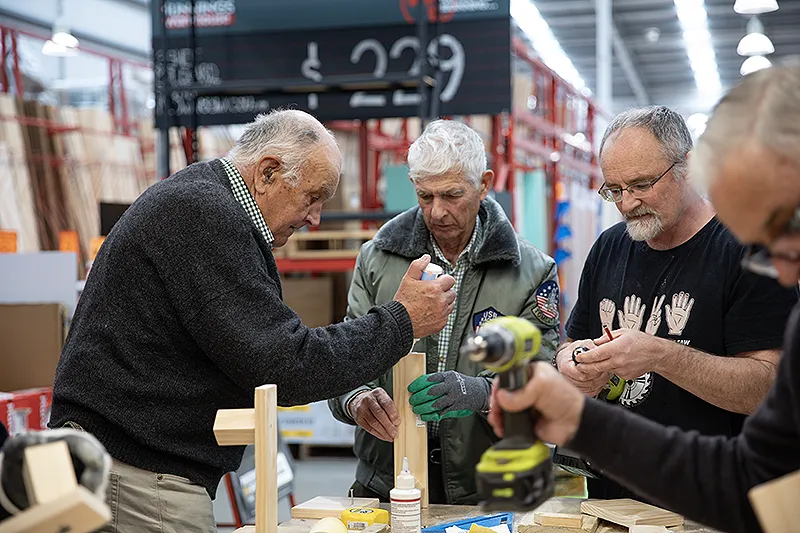
There’s no single lifestyle change that can guarantee you’ll avoid dementia, but these healthy habits can help reduce your risk and support brain health as you age.
What’s good for your heart is good for your brain. Keep blood pressure, cholesterol, blood sugar and weight in check, don’t smoke and limit alcohol.
Aim for around 30 minutes of moderate exercise, such as brisk walking, 5 days a week.
A Mediterranean-style diet is a good choice. Fill up on vegetables, fruit, wholegrains, nuts, fish and healthy fats, while cutting back on processed foods high in saturated fat, sugar and salt.
Challenge yourself with reading, puzzles, crosswords or learning something new. Taking up a new hobby, language or sport can also help keep your brain active.
Regular social contact with friends, family and your community is good for brain health. Even better, combine socialising with physical or mental activity.
Getting enough good-quality sleep is another important part of looking after your brain.
Hearing and vision loss has been linked with an increased risk of dementia, so get your ears and eyes checked, and use hearing aids and glasses if recommended.
Good dental and oral health may also play a role in maintaining brain health.
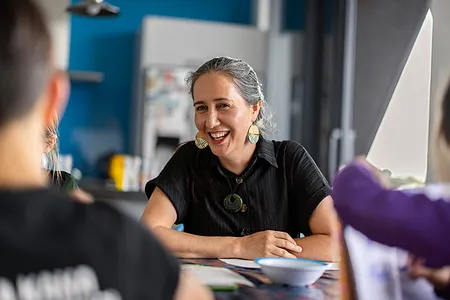
Following in her late mother’s footsteps, Elizabeth Emere Harte and Tūpuna Parenting are helping whānau to reclaim ancestral Māori practices in the digital age.
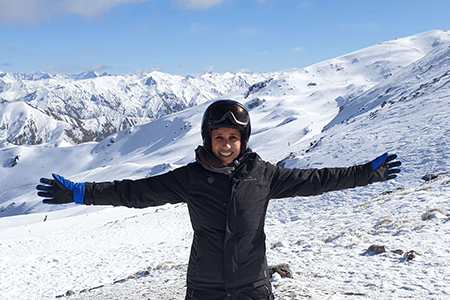
What started out as an opportunity to raise money for an important charity turned into an experience of personal growth and life-long friendships.

MAS Member Dr Siobhan Graham has dedicated her life to caring for our furry friends, and now she’s working on a revolutionary treatment for canine cancer.