First Kai and reclaiming food sovereignty
By MAS Team
Feeding pēpi is far more than nutrition – it can be an intergenerational link to traditional Māori practices. A new initiative will help māmā to cut through the modern noise and reclaim their food sovereignty.
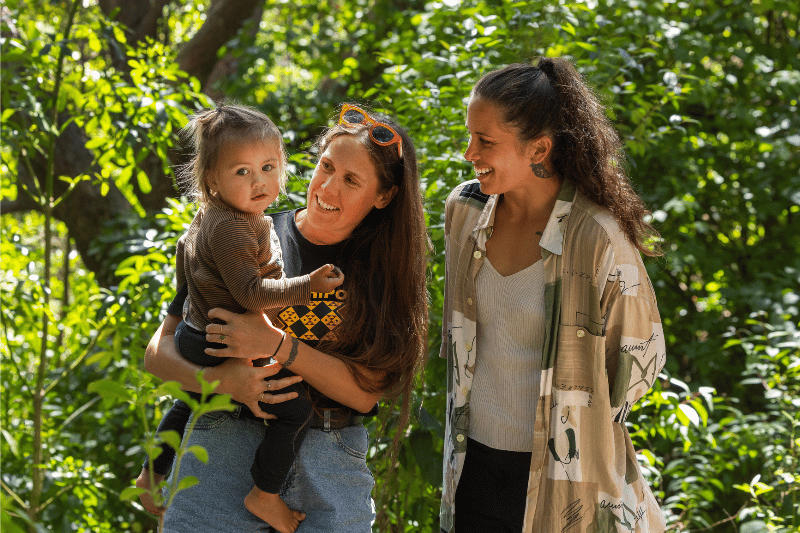
Kai may be a small word but it contains so much meaning. It can be regarded simply as food or fuel, or it can be experienced as a moment of manaakitanga (hospitality), an act of aroha, and an important connection to whānau, whenua (land) and whakapapa (lineage). For new parents, particularly new māmā, the concept of kai can bring feelings of joy – and stress – when it comes to feeding their pēpi.
In the eastern Bay of Plenty, 3 wāhine toa are bringing their unique knowledge, experiences and expertise together for a series of wānanga (workshops) that will empower māmā to find their own sense of kai sovereignty. They are: Distinguished Professor Linda Tuhiwai Smith (CNZM) of Te Whare Wānanga o Awanuiārangi; Victoria University Senior Research Fellow Kendall Stevenson; and nutritionist and General Manager of Ngā Āhuatanga o Te Kai - Kai Research Institute Julia Coates.
Linda, who is CEO of the Kai Research Institute, explains the kaupapa of this project, called First Kai, which focuses on a pivotal time of early life.
“We’ve done a couple of projects specialising in māmā and pāpā, and their kai knowledge and practices,” she says. “Through these sessions, we’ve learned some really important things about what engages our māmā, but also what challenges them.”
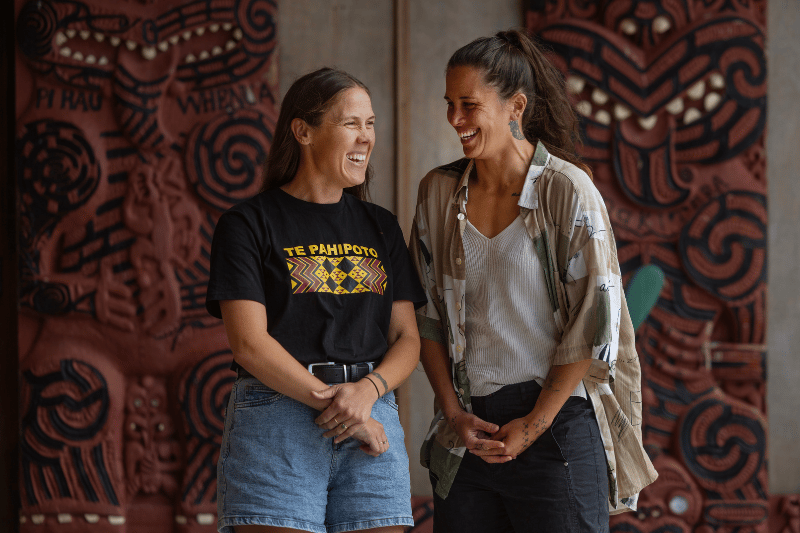
This awareness prompted the team to conceive First Kai, which is now being supported by MAS Foundation, and covers 3 key phases in the early kai journey: pregnancy, breastfeeding and introducing solids.
Julia says, “These māmā shared the various pressures they felt when they were hapūtanga (pregnant) and how they felt conflicted between advice coming from their midwives and their nannies, aunties and whānau. They also get bombarded with lots of messages online, so these
“Then there’s breastfeeding and they told us how that really affected them, not just mentally, but physically and spiritually. Finally there’s the introduction of solids and those complementary feeding practices, and again the various influences they had on them and how that affected them positively and negatively.”
While feeding whānau is an everyday practice, the importance of kai cannot be underestimated, says Kendall.
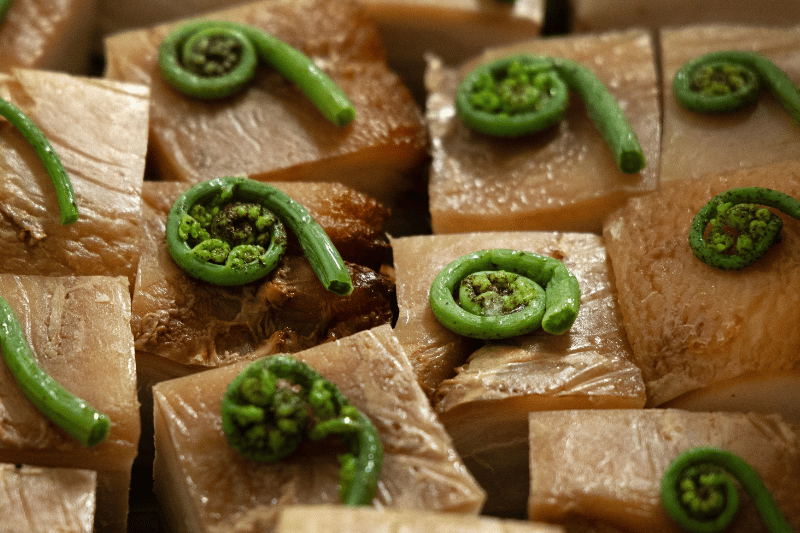
“In its most simplistic form, we need kai to survive. And our pēpi need kai to survive. But when you take a step back and look at it on a wider conceptual level, kai is our connection to our knowledge, our atua (ancestors), our whakapapa and our whenua. It's a relational tool as well, which makes sense because from a te ao Māori perspective everything is in relationship to each other. It's really profound, in my opinion, the impact that kai can have, and in particular, first kai.”
For each māmā, however, that relationship to kai can look very different. “I’m an active kai practitioner,” says Julia. “So right now I’ve got fish scales all over me, because I’ve filleted 50 flounder this morning. For me, that’s exercising my whakapapa as someone from Ngāti Awa, who has hononga (connection) to the harbour, to the whenua, to these fish and to this place. It not only sustains me physically, in terms of the nutrition that I’m getting from the kai, but it sustains me spiritually.”
“In contrast to Julia,” laughs Kendall, “I don’t like getting my hands dirty. But I do love eating, and I love engaging through kai, and thinking about where I shop, if I have to shop.”
Julia adds, “When we’re thinking about our māmā, we know it can be so easy to get tied up in the fast-paced food environment of today, where food is full of salt, sugar and saturated fats, and it’s all super processed. Going back to our traditional kai forces us to slow down. It’s a way to just re-engage with who we are.”
Looking back, Linda feels much has been lost in a generation, which First Kai hopes to restore. “A lot of our kai practices are disappearing, particularly in urban areas, and with people who are not deeply connected to their home and their environment. In losing that knowledge, you also lose that love of kai.”
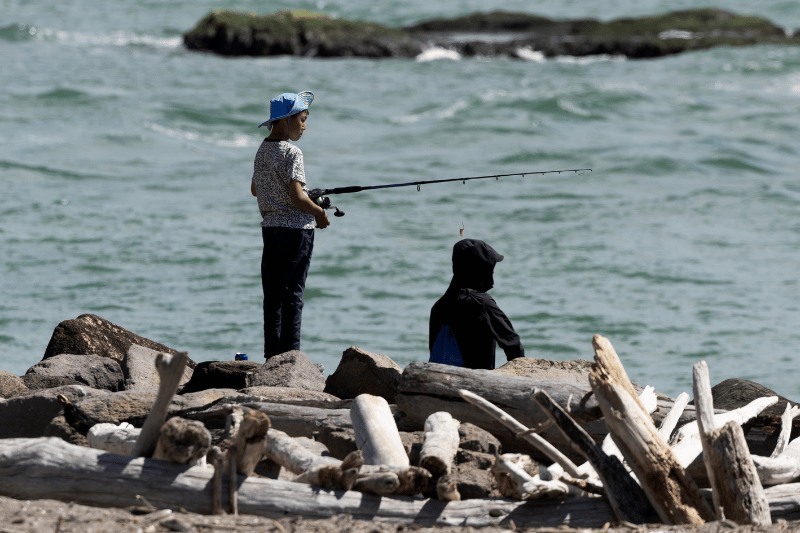
While planning for the programme is still in full swing, the wānanga with māmā and grandmothers will share and explore knowledge through kōrero, creative works and waiata. Kendall says, “The main goal is to have this knowledge feel relevant and applicable to māmā and their everyday lives.
“We want our māmā to feel empowered, that they have mana, and that they are really important in that process. Whether they’re breastfeeding or not, the very act of feeding your child is an intergenerational practice. You are introducing your child to the kai of your ancestors. To me, that’s an act of sovereignty.”
“First Kai invites us to think differently about when the nutrition journey of a pēpi begins,” says Mafi Funaki-Tahifote, Head of MAS Foundation and a New Zealand Registered Dietitian. “It starts not with their first food after birth, but while pēpi is still growing in the womb. MAS Foundation is excited to support a kaupapa that strengthens understanding of kai sovereignty for hapū māmā and breastfeeding māmā, and helps health professionals provide care that supports better nutrition and wellbeing from the very beginning.”

Road trips can be fun and here’s our survival guide to travelling well with kids to make sure you have a great family summer.

Summer's been a long time coming. We're finally here and it's time to make the most. But before you check out completely, why not set yourself up for a summer of success? Here's our top tips to put your summer to work.

Expert physiotherapist Tania Clifton-Smith knows plenty about what can go horribly wrong when we don’t breathe properly. The field has rapidly expanded from its early roots, focused on hyperventilation.