I’ve gone flatting. Do I need insurance?
By MAS Team
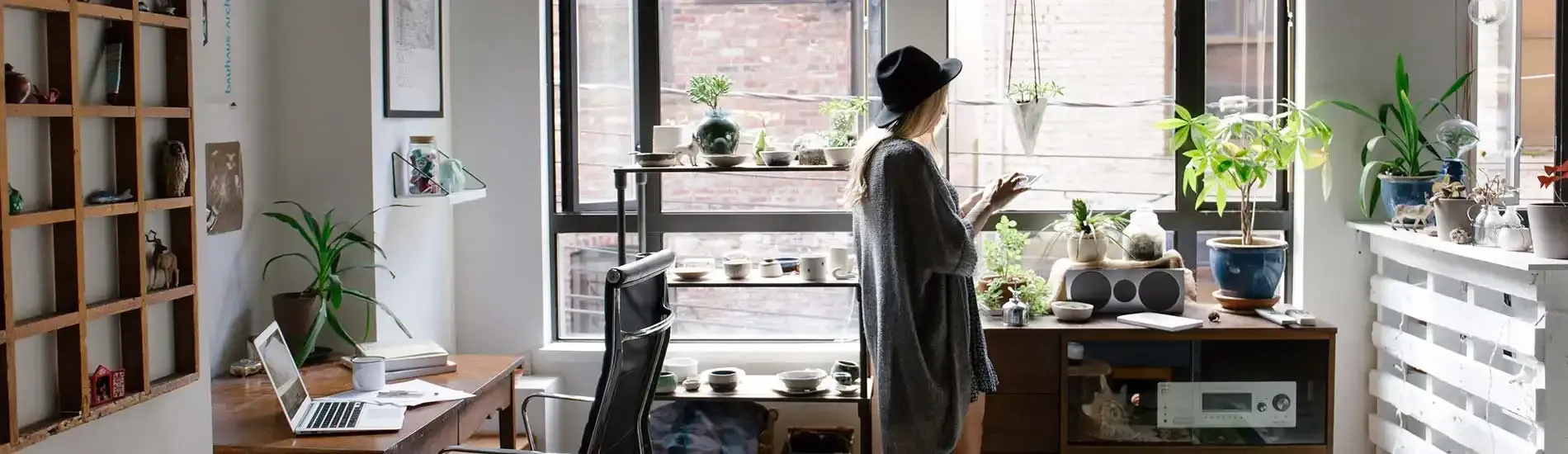
Going flatting for the first time is a big, exciting step, and there’s plenty to sort out – from finding a decent flat to setting up the all-important cleaning roster.
One thing you’ll need to think about sooner rather than later is how to protect all the stuff you’ve painstakingly moved in. You might not have given much thought to insurance yet but it’s important to remember you’re responsible for any loss or damage to your belongings. If you have a break-in or there’s a fire, it’s up to you to cover the cost of replacing those belongings.
Here are a few of the most important things to think about when it comes to protecting your stuff when you’re flatting.
Just as you’re responsible for doing your own cooking and laundry when you go flatting, you’re also responsible for what happens to your belongings. Once you move your stuff out of your parents’ home, you’re no longer covered by their contents insurance policy.
To keep your belongings protected in your new place, you need to take out your own contents policy. But remember you’re only responsible for your own belongings. If your flatmates are worried about their stuff, they need to take out (and pay for) their own insurance.
The main task when it comes to getting contents insurance is working out how much all your stuff would cost to replace if something went wrong. So when you’re getting ready to move your stuff into a new place, it’s a great time to go through everything and work out how much it’s all worth.
Bear in mind that you may need to list particularly valuable or hard to replace items separately on your contents insurance policy to make sure they’re covered. Different insurers have slightly different requirements so you need to read your policy carefully to find out exactly what you need to list, but it will often be things like expensive bikes, laptops, phones, or musical equipment.
If your parents have a MAS contents insurance policy, there are some features that will mean your belongings will be covered by them. Give us a call to find out more.
Landlords are responsible for insuring their own property, including the building you rent. Sometimes they’ll also have some of their own stuff in the flat, which will usually be listed in the tenancy agreement.
If there’s a break-in, your landlord will fix the broken window or door but it’s up to you to replace your belongings.
Landlords (and their insurers) are responsible for repairing accidental damage to their property, even if you accidentally caused the damage. However, if you or your friends were careless, or intentionally damaged your landlord’s property, you could be liable to pay up to four weeks’ rent, or the landlord’s insurance excess (if applicable).
You can find out more about who’s responsible for damage to landlord’s property by checking out the Tenancy Services website.
One of the biggest threats to properties in New Zealand is earthquake damage. Not only does earthquake risk affect the insurance a landlord can get for the property itself, it might also affect the insurance you can get for your belongings.
Insurers have to consider earthquake damage and the strength of the building you’re renting in before insuring your contents. If you’re looking at renting a quake-damaged home, it’s a good idea to speak with your landlord to find out what kind of insurance policy they have. Sometimes, if an insurer thinks it will cost too much to repair the house then they may not insure it.
All of this could affect your contents insurance policy, so make sure you call your insurer before you sign your rental agreement, and make sure they will keep covering you in your new home.

If you think you might need life insurance, the process for getting it is pretty simple. Here’s a step-by-step breakdown of getting life insurance with MAS.

Technology has made scams more sophisticated, so MAS Cyber Security Lead Min Kim has some tips on how to avoid the traps and protect yourself and your data.
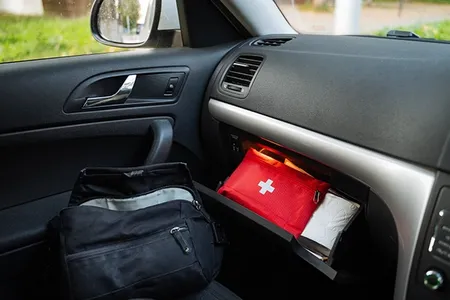
What should you keep in your car for emergencies in New Zealand? From first aid kits to jumper cables and glovebox essentials, here’s everything worth having on board.