Article at a glance
A research study conducted by The Resilience Institute in New Zealand shows there are critical factors that either support or block an individual's level of resilience.
The top five critical success factors that support resiliency include having focus, purpose, fulfilment, optimism and vitality.
The top five risk factors that block resilience include fatigue, intensity, worry, self-critical and overload.
A study of 21,000 highlights the keys to success
Amidst the exuberance of opinion, ask a good question and then see what the data says before drawing conclusions. Blessed with an abundance of data from our Resilience Diagnostic we asked: What is the difference between the top ten percent of the most resilient people and the lowest ten percent?
This proved to be a fruitful question.
There is a jaw-dropping difference in what matters to the top decile as compared to the bottom decile. It was not exactly what we expected. Well, if you want to understand what is good for you, the answers are clearly visible in the results.
In brief, we took 21,000 assessments and grouped people by resilience ratio. This is the overall score from 60 resilience factors ranked on the Resilience Diagnostic. Our logic is that the resilience ratio captures the multiple different pathways or styles that lead to flourishing (optimal resilience).
Then we looked for the key asset factors that distinguish those top performers from those struggling.
What are the key disciplines of excellence?
In the table below you can quickly identify what really matters. The columns show the percentage of scores in the very often and nearly always category for the top, middle and bottom decile (10%) from the resilience ratio.
What drives resilience?
| FACTORS | TOP | MIDDLE | BOTTOM |
| Focus | 94 | 40 | 4 |
| Purpose | 96 | 56 | 8 |
| Fulfilment | 91 | 40 | 4 |
| Optimism | 95 | 54 | 9 |
| Vitality | 95 | 48 | 9 |
| Present | 98 | 66 | 13 |
| Decisiveness | 97 | 59 | 13 |
| Values Alignment | 98 | 72 | 17 |
| Assertiveness | 94 | 52 | 13 |
| Bounce | 89 | 44 | 8 |
| Sleep Quality | 83 | 31 | 4 |
The high scores for top performers underpins that these are practices they simply don't negotiate. Excellence is based on consistent execution of these key factors.
They cluster; first cognitive – focus, optimism, presence, decisiveness. Second, spirit – purpose, fulfilment, values alignment and third, maintenance – vitality, bounce, sleep and perhaps assertiveness.
What excellence avoids
Then we look at the risk (or liability) factors that vary most widely between the three deciles. It is clear what the highest performers take great care to avoid. These disciplines of excellence define what to counter in your life.
What blocks resilience?
| FACTORS | TOP | MIDDLE | BOTTOM |
| Fatigue | 2 | 14 | 54 |
| Intensity | 19 | 47 | 73 |
| Worry | 1 | 10 | 52 |
| Self Critical | 8 | 29 | 61 |
| Overload | 2 | 16 | 49 |
| Apathy | 0 | 2 | 41 |
| Chronic Symptoms | 1 | 9 | 42 |
| Sloth | 3 | 17 | 41 |
| Self Doubt | 0 | 2 | 32 |
| Hypervigilance | 1 | 8 | 35 |
What blocks resilience
The first cluster is energy mastery – counter fatigue, overload, apathy and sloth. The second is equanimity –counter worry, self criticism, chronic symptoms, self doubt and hypervigilance. We believe the ability to down-regulate intensity has becone a critical discipline.
Again, top performers simply do not indulge in the topics of complaint. One consideration I am left with, never forget to be humble. Don't doubt yourself but do check the consequences of your decisions and actions.

Rather than preach, we invite you to explore the data and consider how you rank your disciplines of excellence.
Source: Dr Sven Hansen in conjunction with Synergy Health Ltd.
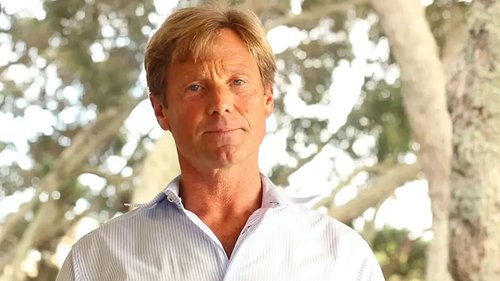 Dr Sven Hansen is the founder of The Resilience Institute. Sven began a corporate health business in 1988. He completed his MBA in 1993 and set about building an evidence-based, integral and practical solution to sustainable performance in life, sport and business.
Over 20 years Sven has worked extensively with High Performance Sport, professional firms, banks, corporates, government, entrepreneurship, universities, and schools. He leads the development of The Resilience Institute’s methodology and is an experienced executive coach, keynote speaker and leadership trainer.
-
Share
You might also like

Renovating or extending your property?
What you need to know about Contract Works Insurance.
R U OK?
Reaching out to ask 'R U Okay' and having a ‘courageous conversation’ with someone you know or care about may help to save a life. Here is some advice on recognising the signs and symptoms of depression and anxiety.

How to reconnect with your brain during uncertainty
Amongst a whole list of options, there are three simple activities we can do to reconnect with our brain, without any cost or major effort required.